
Best Coal for Poultry Farms: Keep Your Coops Warm & Safe
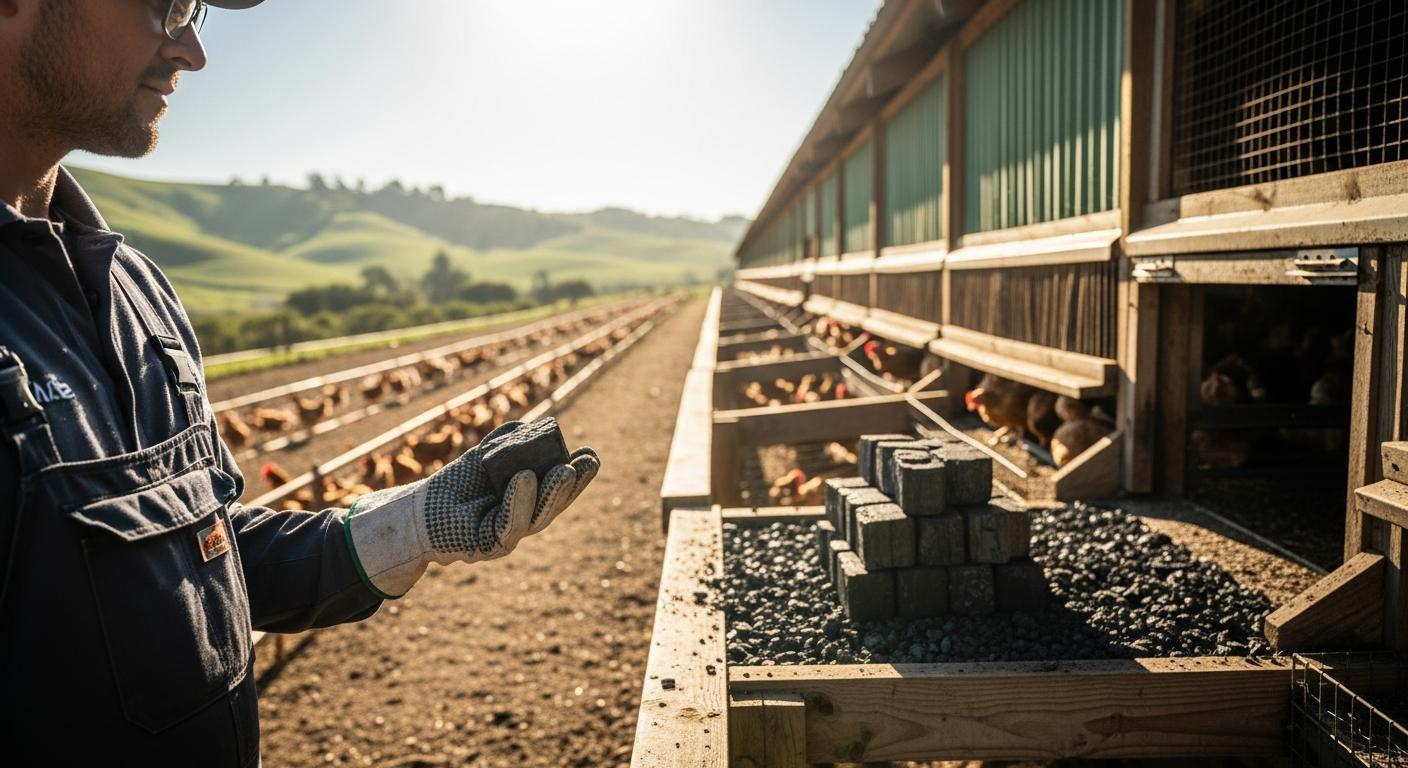
Maintaining the correct brooder temperature isn't just a recommendation; it's the foundation of a profitable poultry operation. A temperature drop of even a few degrees can lead to chilled chicks, increased mortality rates, and a direct hit to your bottom line. As a strategist working with agricultural businesses across South Africa, I've seen firsthand how the right choice in fuel can make or break a season.
The challenge is that not all heating sources are created equally. You need a solution that is reliable, cost-effective, and above all, safe for your birds. This guide explains why selecting the right coal for poultry farms is a significant business decision and why high-grade bituminous is the superior choice.
Why Your Choice of Chicken Farming Fuel Matter
When managing a poultry farm, your primary goal is to get healthy chicks to market weight efficiently. Your heating system is a central part of this process. The wrong fuel can introduce risks and inefficiencies that quietly eat away at your profits.
An effective fuel source must provide two things above all else: consistency and safety. Chicks, especially in their first few weeks, cannot regulate their own body temperature. They depend entirely on the external heat you provide. Fluctuations can cause stress, leading to poor feed conversion, illness, or death. Furthermore, fumes and poor air quality from low-grade fuels can cause respiratory diseases, further impacting the health of your flock.
High-Quality Bituminous Coal: The Powerhouse for Poultry Brooders
In the world of poultry farming, consistent warmth isn't just a comfort—it’s a survival requirement. While various fuel sources exist, high-quality Bituminous coal remains the industry standard for providing the intense, reliable heat necessary to keep brooders at optimal temperatures.
At RP Mining Solutions, we specialize exclusively in premium Bituminous coal. We don't carry Anthracite because we believe in the high-energy output and versatility that high-grade Bituminous provides to modern farming operations.
Why Quality Matters: Washed vs. Unwashed Bituminous
Not all coal is created equal. The performance of your heating system depends heavily on the grade of fuel you select. We offer two primary options to suit your specific setup:
- Washed Bituminous: This is our premium tier. By washing the coal, we remove a significant amount of impurities and non-combustible materials. This results in a cleaner burn, higher heat efficiency, and lower ash production, reducing the maintenance load on your heaters.
- Unwashed Bituminous: A robust, cost-effective solution that still delivers the high BTU (British Thermal Units) necessary for large-scale heating, ideal for well-ventilated, high-capacity brooding environments.
The Benefits of High-Grade Bituminous for Your Flock
Choosing a high-quality Bituminous source directly impacts the health of your birds and the efficiency of your farm:
- Superior Heat Intensity: Bituminous coal is known for its ability to reach high temperatures quickly and maintain them, ensuring that your brooders stay within the "comfort zone" even during extreme cold snaps.
- Reliable Ignition: Unlike harder coals that can be difficult to light, our Bituminous coal catches easily and maintains a steady, vigorous fire, giving you peace of mind throughout the night.
- Energy Density: Because of its high carbon content, you get more "heat per pound," making it a powerful tool for maintaining large poultry houses efficiently.
Maximizing Your Investment
While some might view coal as a simple commodity, choosing a high-quality Bituminous supply is a strategic business move. By utilizing washed coal, you reduce the time spent cleaning out ash and clinkers, allowing your staff to focus on bird health rather than heater maintenance.
Our focus is on providing a consistent, high-energy fuel that supports a profitable and healthy farming operation. When you fuel with our premium Bituminous, you’re choosing the heat and reliability that professional poultry producers depend on.
Choosing the Right Supplier for Your Farm's Coal
Sourcing high-quality bituminous is just as important as deciding to use it. You need a supplier who understands the demands of agriculture and can guarantee a consistent product. A reliable supplier ensures that the coal you receive is of a specific grade and size, free from excess dust and impurities.
At R&P Mining Solutions, we specialize in providing premium, washed bituminous nuts perfectly suited for brooders and other agricultural heating needs. We understand that a reliable supply chain is essential for your planning and operations. We are committed to providing the high-grade chicken farming fuel that South African farmers need to protect their livestock and their profits.
FAQs
Is coal safe for heating chicken coops?
Yes, when the right type is used with proper ventilation. Bituminous is the safest option as it produces minimal smoke and carbon monoxide. Always ensure your coop has adequate airflow to prevent any buildup of gases, regardless of the heat source.
How much coal do I need for my poultry farm?
This depends on the size of your coop, the number of birds, the efficiency of your heaters, and the ambient outside temperature. We can help you estimate your needs based on your specific operational details to ensure you have a sufficient supply.
Can I use wood instead of coal for heating?
Wood can be used, but it presents challenges. It burns much faster than bituminous, requiring constant refueling, and its heat output is less consistent. It also produces more smoke and creosote, which can be a fire hazard and detrimental to air quality.
What is the ideal temperature for a chicken brooder?
For the first week, the temperature directly under the heat source should be around 32-35°C. You can then reduce the temperature by approximately 3°C each week until the birds are fully feathered or the ambient temperature is reached.