
Leading Wholesale Coal Suppliers in Gauteng: Bulk Industrial & Commercial Solutions
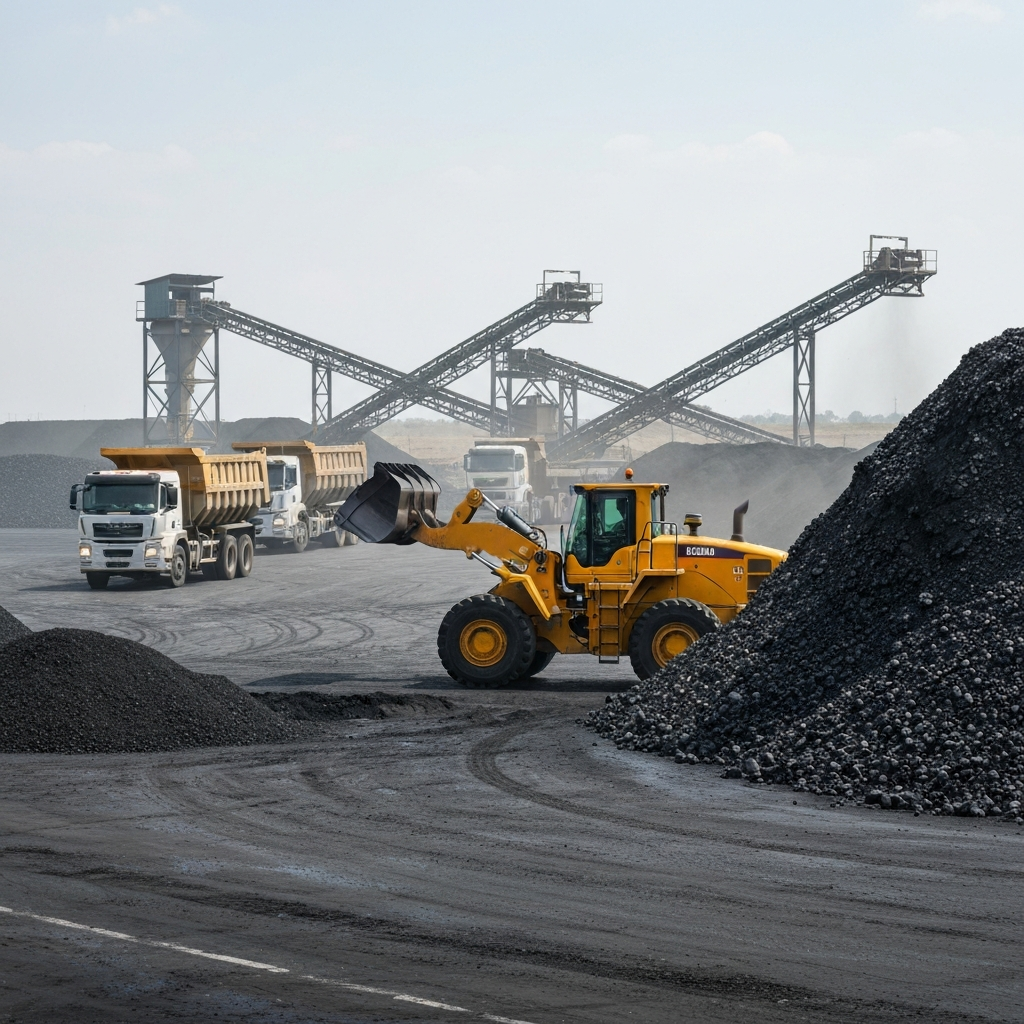
The Technical Verdict: For industrial applications in Gauteng, the primary choice lies between high-grade Anthracite and specific grades of Bituminous coal. Anthracite offers superior calorific value and lower volatile content, making it optimal for high-temperature furnaces and applications requiring clean combustion.
Bituminous coal, particularly Grade A peas and nuts, provides a robust performance-to-cost ratio for general steam generation and industrial boilers. The selection depends entirely on thermal efficiency requirements and emissions standards.
Why Partner with a Local Gauteng Coal Merchant?
Engaging a technically proficient, local coal supplier in Gauteng is a matter of logistical and operational integrity. The province's industrial hubs, from Johannesburg to the Vaal Triangle, demand uninterrupted fuel supply chains. A local merchant possesses an intrinsic understanding of the regional transport infrastructure, including potential bottlenecks and optimal delivery routes, which minimises lead times and prevents costly plant downtime.
We manage our own modern fleets, ensuring that transport logistics are optimised for efficiency and reliability. Proximity allows for more flexible delivery schedules and the capacity to respond swiftly to urgent supply requirements, a critical variable for continuous industrial operations.
The Engineering Advantage of Localised Supply Chains
From a material science perspective, a localised distribution model is essential for maintaining the physical and chemical integrity of coal fuel.
By reducing the distance between the source and the end-user, the supply chain preserves the technical specifications required for peak boiler performance:
- Minimized Material Degradation: Reducing the number of handling points prevents the physical breakdown of coal into excessive fine particles (duff).
- Moisture Content Control: Shorter transit times and strategic storage mitigate the risk of moisture absorption from environmental exposure.
- Preservation of Combustion Efficiency: Maintaining the specified size and grade ensures the fuel performs according to its certified laboratory benchmarks.
- Optimized Transport Routes: Direct delivery from Mpumalanga mines through local Gauteng depots shortens the final delivery leg significantly.
- Quality Custody: A tightly managed supply chain ensures that the material arriving at your facility has not been compromised by extended transport or excessive stockpiling.
By shortening the logistics loop, we ensure that the thermal density and sizing you pay for at the mine are exactly what is delivered to your boiler.
This localised approach protects your equipment from the inefficiencies caused by degraded material and ensures a consistent energy supply.
Our Range of High-Grade Coal Products for Gauteng Industries
The selection of an appropriate coal type is a critical engineering decision, directly influencing thermal output, operational costs, and equipment longevity. Over 95% of South African coal reserves are bituminous, with anthracite making up a smaller but critical portion for specialised applications.
We specialise in the supply of these two primary categories, processed into various sizes to meet the precise requirements of industrial furnaces, boilers, and smelters. Each product grade is supplied with a corresponding Certificate of Analysis, verifying its material composition and performance characteristics. This ensures your procurement is based on verifiable data, not assumptions.
Anthracite, Bituminous, and Grade A Peas: Choosing the Right Fuel
Anthracite is a high-rank coal, distinguished by its high fixed carbon content (86-97%) and low volatile matter.
This composition results in a fuel that burns with a steady, clean flame, producing high levels of heat with minimal smoke or particulate emissions.
- Anthracite: Recommended for furnaces and boilers requiring maximum heat output and low emissions. Its high carbon and low sulphur content minimise environmental impact and reduce equipment corrosion.
- Bituminous (A-Grade Peas/Nuts): This is a high-quality thermal coal with excellent calorific value and low ash content. It represents the optimal balance of energy efficiency and cost for general industrial steam generation. The consistent sizing of "peas" (10mm x 25mm) and "nuts" (25mm x 50mm) ensures predictable combustion in automated boiler systems.
- Duff (0mm x 9mm): A finer grade of coal, duff is typically used in specialised applications like pulverised fuel boilers or can be blended with other grades to optimise combustion characteristics.
It is the preferred fuel for metallurgical processes and specialised industrial applications where consistent, high temperatures are necessary. Bituminous coal contains a lower carbon content (45-86%) and higher volatile matter, making it ignite more easily.
It is a versatile and cost-effective fuel for a wide range of industrial applications, including electricity generation and steam production for manufacturing plants.
Reliable Bulk Coal Delivery Across Johannesburg, Pretoria, and Vaal Triangle
The effective delivery of bulk coal is a science of logistics and asset management. Our capability extends across the primary industrial corridors of Gauteng, ensuring timely and reliable supply. We operate a fleet of specialised vehicles, including side-tipper links, designed for the efficient transport of bulk commodities. This operational control allows us to manage delivery schedules with precision, mitigating the risks associated with third-party transport contractors.
Our logistics are structured to handle order volumes from single truckloads to large-tonnage contracts, serving manufacturing plants, industrial facilities, and power generation sites.
Maintaining Quality During Transit
The integrity of the coal supplied is protected throughout the transportation phase. We adhere to strict loading and handling procedures to minimise particle degradation and contamination. Each shipment is managed to prevent unnecessary exposure to adverse weather, which could alter moisture levels and compromise calorific value.
The final product delivered to your site is guaranteed to match the quality specifications agreed upon at the point of sale. Our transport routes are planned to be the most direct and efficient, reducing transit time and ensuring the coal arrives ready for immediate use in your systems without requiring further processing or drying.
Coal Specifications and Quality Assurance Standards
In industrial applications, the chemical and physical properties of coal serve as critical performance indicators rather than mere technical details.
Every batch is supplied with a comprehensive analysis to ensure the fuel meets the rigorous demands of your specific combustion system:
- Energy Density (CV): Quantifies the total heat potential and maximum energy output available for your operations.
- Moisture & Volatiles: Dictates ignition stability and overall combustion efficiency within the furnace.
- Ash & Sulphur: Determines the volume of non-combustible waste, equipment wear, and environmental compliance.
- Certified Analysis: Guarantees all parameters are verified by accredited laboratories for predictable performance.
By ensuring adherence to these precise parameters, you can manage energy costs and equipment health with technical certainty. This transparent approach to quality assurance guarantees that the fuel delivered will perform consistently within your industrial infrastructure.
The Importance of SABS-Compliant Testing
Our quality assurance protocols are aligned with the standards set by the South African Bureau of Standards (SABS). SABS provides the framework for the systematic evaluation and testing of coal to ensure consistency and reliability in the market.
By using SABS-compliant methodologies, we provide an objective and verifiable measure of our product quality. A Certificate of Analysis accompanies bulk orders, acting as a guarantee that the material meets the required grade and specification. This level of transparency is essential for process control in high-demand industries and ensures that your fuel source is a known and reliable variable in your production equation.
Competitive Wholesale Coal Pricing per Ton in South Africa
The price per ton of wholesale coal is determined by a series of technical and logistical variables, not arbitrary market fluctuations. The primary driver of cost is the coal's grade. Higher-grade coals like Anthracite and A-Grade Bituminous command a higher price due to their superior calorific value and lower ash content, which translates to greater thermal efficiency.
Secondly, order volume significantly impacts the per-ton cost; larger orders, such as a full 34-ton truckload, allow for economies of scale in transport and loading, reducing the overall unit price.
Logistical and Market Variables
Transport distance is a major component of the final delivered price. The majority of South Africa's coal mines are located in Mpumalanga, and the cost to transport the material to your Gauteng facility is a direct function of distance and fuel costs.
We optimise transport logistics to provide the most cost-effective delivery routes. Furthermore, international demand and export prices can influence the availability and pricing of domestic supply.
Our market analysis allows us to provide clients with strategic purchasing advice based on these trends, ensuring a favourable performance-to-cost ratio.
Precision Solutions with RP Mining Solutions
As the Lead Technical Specialist, I ensure our solutions are engineered for guaranteed performance. We focus on the material science of our products to deliver industrial-grade coal that meets the stringent demands of South African industries. Our commitment is to technical compliance and operational reliability.
A professional consultation will ensure your fuel source is precisely matched to your equipment specifications and production targets. Get a quote using the button below.
FAQs
What is the minimum order quantity (MOQ) for wholesale coal delivery in Gauteng?
Our standard minimum order quantity is a full truckload, typically ranging from 32 to 34 tons, which ensures the most efficient transport economics. Smaller quantities can sometimes be accommodated depending on location and existing delivery schedules.
What types of coal are best suited for industrial boilers versus residential heating?
Industrial boilers almost exclusively require bituminous coal (such as A-Grade peas or nuts) for its high energy output and cost-effectiveness in steam generation. Anthracite is better suited for residential heating or specialised industrial furnaces due to its slow, clean burn and low smoke output.
How do coal prices per ton fluctuate in the South African market?
Prices are influenced by several factors: coal grade (calorific value and ash content), order volume, transport distance from the mine, and international market demand which can affect local supply. Domestic prices for industrial users tend to be more stable than the volatile export market.
Are quality analysis reports (Certificates of Analysis) provided with bulk orders?
Yes, every bulk order is accompanied by a Certificate of Analysis from a SABS-compliant laboratory. This report provides a detailed breakdown of the coal's properties, including calorific value, ash content, moisture, and sulphur levels, ensuring what you ordered is what you receive.