
A-Grade Coal Peas Suppliers: Premium Fuel for Industrial Boilers
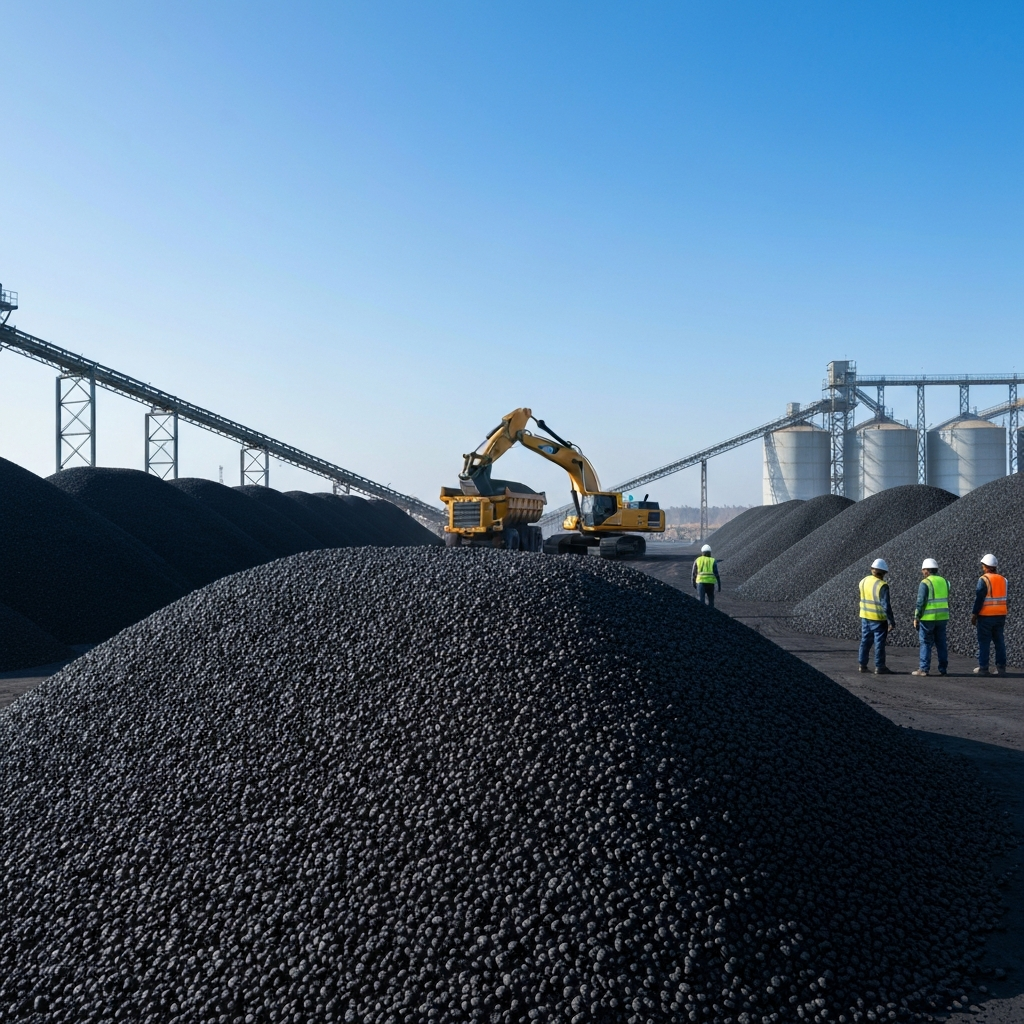
The optimal fuel source for industrial boilers and specialised heating applications is typically washed A-grade bituminous coal peas, sized between 6mm and 25mm.
The selection hinges on a high calorific value (CV) exceeding 27.5 MJ/kg and a low ash content, which directly improves thermal efficiency and reduces maintenance cycles.
Sourcing from a supplier who provides a Certificate of Analysis is the only way to guarantee these performance metrics.
What are A-Grade Coal Peas? (Specifications & Sizes)
A-grade coal peas are a specific classification of bituminous thermal coal, distinguished by their size and energy output.
This fuel is processed to meet stringent industrial requirements where consistent, high-intensity heat is a primary operational requirement.
The designation "peas" refers directly to the screening process, where the coal is sorted to a granular size, typically ranging from 6mm to 25mm. This uniformity is not for aesthetic purposes; it is engineered to ensure predictable combustion and even airflow within industrial chain-grate stokers and other boiler systems.
Material that is too fine can obstruct airflow and lead to incomplete combustion, while oversized nuts can create inefficiencies in the heat transfer process.
Understanding Sizing and Grade
The term "A-grade" is an industry indicator of high energy content and purity.
The primary metric is the calorific value, or CV, which for A-grade peas, should consistently test above 27.5 megajoules per kilogram (MJ/kg).
This high energy density means more thermal output per unit of fuel, a critical factor in managing operational costs. Furthermore, A-grade status implies low levels of impurities, specifically ash and sulphur. A low ash content ensures that less non-combustible material accumulates in the furnace, which directly correlates to reduced maintenance downtime and lower disposal costs.
The combination of uniform sizing and high-grade material science makes these coal peas a superior fuel for demanding thermal applications.
Key Technical Specifications of Grade A Peas
When procuring coal, focus on verifiable technical data provided in a Certificate of Analysis (COA) rather than commercial descriptions.
These metrics ensure the fuel meets the high performance standards required for industrial efficiency:
- The Net Calorific Value (NCV) is the primary indicator of usable energy released during combustion.
- A benchmark NCV above 27.5 MJ/kg is required for fuel to be classified as true Grade A.
- High energy density directly increases steam production efficiency while reducing total fuel consumption.
- Laboratory-verified data ensures predictable performance in automated and high-pressure systems.
Prioritizing these specific technical benchmarks guarantees a data-driven procurement process.
This ensures your energy supply remains consistent and maximizes the thermal output of your heating infrastructure.
Inherent Moisture, Ash, and Volatiles
Beyond energy content, the levels of inherent moisture, ash, and volatile matter are critical performance indicators. Inherent moisture should be low, as energy is wasted converting this water to steam during combustion.
The ash content, which is the non-combustible residue, should also be minimal. A high ash percentage not only reduces the energy density of the fuel but also leads to increased slagging and fouling of boiler components, necessitating more frequent and costly maintenance. Volatile matter influences the coal's ignition properties; a balanced level is required for stable combustion without excessive smoke or emissions.
These parameters, confirmed by a COA, provide a complete engineering profile of the fuel's suitability for your specific boiler design and operational load.
The Difference Between Washed and Unwashed Coal Peas
The washing process uses water and density differentiation to mechanically separate non-combustible materials from raw coal.
This technical distinction is critical for both fuel efficiency and the protection of your heating equipment:
- Washing removes rock, shale, and pyrite, significantly increasing the energy density of the fuel.
- Unwashed coal contains inert impurities that provide zero energy return during combustion.
- Washed peas produce much lower ash levels, reducing equipment wear and maintenance downtime.
- Using purified fuel lowers costs by ensuring you aren't paying to transport non-combustible waste.
Eliminating these impurities, the washing process ensures every ton of coal provides maximum thermal output. This results in a cleaner-burning, more predictable fuel source that extends the operational lifespan of your boiler system.
Impact on Boiler Operation and Maintenance
From an engineering perspective, feeding unwashed coal into an industrial boiler introduces operational risks and inefficiencies.
The abrasive nature of rock and shale increases wear and tear on conveyor systems and stoker mechanisms. More critically, the higher ash content leads to the rapid formation of clinker and slag on boiler tubes and furnace walls. This build-up acts as an insulator, severely impeding heat transfer and forcing the system to burn more fuel to maintain the required steam pressure.
Washed coal, with its lower ash and sulphur content, promotes cleaner combustion, reduces particulate emissions, and significantly extends the operational periods between essential maintenance and cleaning cycles, lowering the total cost of ownership.
Primary Applications: From Industrial Boilers to Poultry Farming
A-grade coal peas serve as a critical energy source across diverse sectors, providing the stable and efficient combustion required for both heavy industrial processes and precision agricultural systems.
Their consistent sizing and high energy density make them the standard choice for operations where temperature control and reliability are essential to production:
- Industrial boilers in manufacturing and chemical processing rely on the high calorific value of peas to maintain precise steam pressure and temperature levels.
- Automated chain-grate and underfeed stoker systems require predictable fuel behavior to ensure stable combustion and prevent costly process interruptions.
- In poultry farming, the clean-burning characteristics of washed peas are vital for maintaining air quality and animal welfare within enclosed brooding structures.
- Large-scale facilities like hospitals and industrial laundries utilize this fuel for the dependable generation of the high-volume steam and hot water necessary for daily operations.
- Modern automated farming systems leverage the consistent energy output of A-grade peas to achieve the precise temperature regulation required for optimal growth rates.
By meeting the rigorous demands of these varied environments, A-grade coal peas act as a foundational component of operational stability.
Their superior performance characteristics ensure that whether for heavy industry or essential agricultural services, the energy supply remains consistent and efficient.
Precision Solutions with RP Mining Solutions
Our technical solutions are engineered for guaranteed performance and precision in demanding South African environments. We specialise in providing SABS-certified coal products with verified specifications to ensure your operations run at peak thermal efficiency. We understand the direct relationship between fuel quality and operational profitability, which is why we provide a full Certificate of Analysis with our A-grade products.
A professional consultation is the first step to ensuring technical compliance and optimising your fuel procurement strategy. Get a quote using the button below.
FAQs
What is the typical size range for coal peas?
The industry standard size for coal peas is between 6 millimetres and 25 millimetres. This specific sizing ensures optimal airflow and combustion efficiency in most industrial boiler systems designed for this fuel type.
What is considered "Grade A" coal in the industry?
A coal product is designated "Grade A" based on its energy content and purity. The primary technical requirement is a calorific value greater than 27.5 megajoules per kilogram (MJ/kg). Additionally, it must have low levels of impurities, including minimal ash and sulphur content.
How does coal pea quality affect boiler efficiency?
Higher quality, A-grade coal peas with high calorific value and low ash content directly improve boiler efficiency. More energy is released per unit of fuel, meaning less coal is consumed to produce the same amount of steam. Low ash content reduces slagging and fouling, which maintains optimal heat transfer within the boiler.
Why should I insist on washed coal peas for my furnace?
Insisting on washed coal peas is a critical maintenance and efficiency strategy. The washing process removes non-combustible materials like rock and shale. This results in a fuel with higher energy density and significantly lower ash content, leading to less wear on mechanical components, cleaner combustion, and reduced frequency of furnace cleaning.