
Coal Peas for Sale South Africa: Quality Industrial & Domestic Fuel
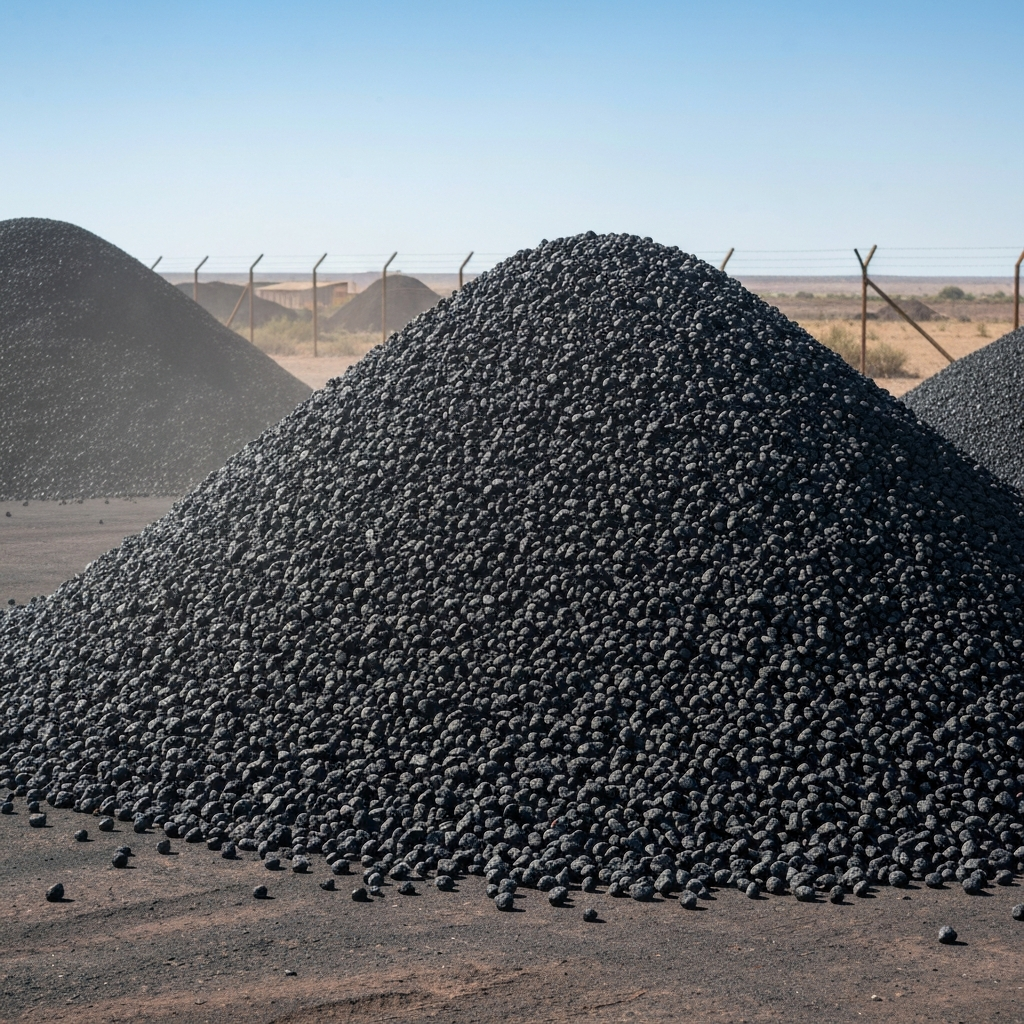
The Technical Verdict: Correctly sourcing coal peas requires matching the grade and size to your boiler or furnace's engineering specifications. Grade A washed peas offer the highest calorific value and lowest ash content, maximising thermal efficiency for industrial boilers.
Grade B provides a cost-effective solution for less demanding applications, while anthracite peas are specified for high-temperature, low-emission systems that demand maximum carbon content.
High-Grade Pea Coal Specifications and Sizes
The operational efficiency of any coal-fired system is a direct function of the fuel's material properties. In South Africa, pea coal is not a single standard product; it is classified by size, calorific value (CV), and impurity content.
The term "peas" refers to a specific size grading, typically ranging from 6 millimetres to 25 millimetres. This uniformity is an engineering necessity, as it ensures a consistent fuel bed and predictable combustion rates within automated or mechanised stokers, preventing blockages and optimising air-to-fuel ratios. Inferior, inconsistently sized fuel leads to incomplete combustion, energy wastage, and increased particulate emissions.
The most important technical metric is the calorific value, measured in megajoules per kilogram (MJ/kg), which quantifies the energy released upon combustion. A higher CV means more thermal output per unit of mass, directly impacting operational costs and fuel consumption rates.
Grade A vs. Grade B Coal Peas: Which Do You Need?
The distinction between Grade A and Grade B coal is based on a transparent set of performance metrics that dictate thermal efficiency and maintenance requirements.
Selecting the correct grade depends on balancing your specific energy output needs with your equipment's tolerance for ash and abrasion:
- Grade A coal features a high calorific value above 27 MJ/kg and has been washed to remove non-combustible materials like rock and shale.
- The low ash and Sulphur content of Grade A reduces equipment abrasion and the frequency of boiler maintenance downtime.
- Grade B coal offers a slightly lower calorific value, typically between 26 and 27 MJ/kg, with a higher inherent ash percentage.
- While it produces less energy per ton, Grade B serves as a more economical fuel source for systems where thermal efficiency is not the only priority.
- High-pressure boilers generally require Grade A for maximum efficiency, while general space heating or agricultural boilers often find Grade B sufficient.
By matching the coal grade to your specific machinery and budget, you can optimize both your operational costs and the lifespan of your heating infrastructure. Whether prioritizing high energy output or lower fuel costs, understanding these technical differences ensures your boiler system runs reliably throughout the season.
Applications of Pea Coal in South Africa
Pea coal is a versatile thermal fuel used across a spectrum of industrial, commercial, and domestic applications due to its balance of energy density and manageable sizing. In the industrial sector, its primary use is in small to medium-sized boilers for generating steam and process heat. Industries such as manufacturing, food processing, agriculture, and refineries depend on the stable and controlled burn characteristics that pea coal provides.
The uniform sizing allows for its use in automated stoker-fed systems, which demand a consistent fuel geometry to function without mechanical failure. The physics of the combustion process in these systems relies on the predictable surface area of the peas, which ensures even heat distribution and minimises fuel waste.
For domestic use, pea coal is suitable for specific types of stoves and enclosed fireplaces designed to burn bituminous or anthracite coal.
Anthracite Peas for Specialized Heating
While the bulk of South African coal is bituminous, anthracite represents a distinct, high-performance category. Anthracite is the highest rank of coal, characterised by a carbon content of 86% to 97%.
This high carbon density results in a fuel that burns with very little smoke or particulate emissions, making it a preferred fuel for use in areas with air quality regulations. Anthracite peas burn at a very high temperature with a short, blue flame, delivering intense, sustained heat.
This material is specified for specialised applications like metallurgical processes, smelters, and high-efficiency domestic heating systems where clean-burning properties and maximum heat output are required. Its low volatile matter content means it ignites more slowly but provides a longer, more stable heat release compared to bituminous coal.
Bulk Coal Peas Delivery and Logistics
Securing a consistent supply of industrial-grade coal peas depends on a robust logistics network capable of managing both the technical and environmental challenges of long-distance transport.
For most South African end-users, the distance from the Mpumalanga coal fields makes efficient transportation a critical component of operational success:
- Moving bulk materials requires specialized equipment, typically side-tipper trucks, that must strictly adhere to safety and mass-loading regulations.
- Strategic routing and stockpile management are essential to mitigate transit delays and maintain the structural integrity of the fuel.
- High moisture content from exposure to summer rainfall can significantly decrease the coal's calorific value and overall combustion efficiency.
- Reliable logistics providers prioritize minimized transit times to protect the product from environmental degradation and ensure peak performance.
- Effective delivery includes managing the entire supply chain to guarantee that the energy density paid for at the source is what arrives at the boiler.
Integrating technical proficiency with strategic transport planning, a supplier ensures that coal peas are delivered in a condition that maximizes thermal output.
This managed approach to logistics reduces the risk of equipment performance issues and protects the long-term efficiency of your energy infrastructure.
Fuel Integrity During Transport
The physical handling of coal from the mine to your facility presents risks of degradation. The transport process, including loading and offloading, can cause attrition, breaking down the peas into smaller fragments and creating "fines" or duff.
An excess of fines in a boiler designed for peas can disrupt airflow through the fuel bed, leading to poor combustion and potential clinkering. We ensure that our transport and handling procedures are optimised to maintain the specified size grading of the coal, guaranteeing that the product delivered to your site meets the exact technical requirements for which it was purchased.
Current Coal Peas Price per Ton in South Africa
A fixed price per ton for coal peas does not exist in the South African market; the final delivered cost is a function of several key technical and logistical variables. Attempting to budget based on a generic online price is an unreliable practice for any industrial operation.
The primary determinant of value is the performance-to-cost ratio, which is dictated by the coal's grade. An A-grade washed pea, with its high calorific value and low ash content, commands a higher price at the mine, but it delivers more energy per ton and reduces long-term maintenance expenses.
Conversely, a B-grade or unwashed product has a lower initial cost but yields less thermal energy and produces more waste.
Operational Variables Affecting Final Cost
Beyond the grade, the most significant cost variable is logistics. The distance from the coalfields of Mpumalanga to your delivery site is a direct component of the final price, encompassing fuel, vehicle maintenance, and transit time.
Furthermore, international market demand can influence domestic supply and pricing.
- Coal Grade: Calorific value and ash content determine the base price.
- Delivery Location: Distance from the mine is a major cost factor.
- Order Volume: Bulk tonnage orders can influence the cost-effectiveness of transport.
- Market Conditions: International demand affects local supply and pricing.
When export prices are high, pressure on local availability may increase rates. Therefore, a definitive quote can only be generated once your specific requirements are understood.
We provide transparent pricing based on the required grade, total monthly tonnage, and the precise delivery location to ensure a clear and accurate cost structure.
Precision Solutions with RP Mining Solutions
Our technical solutions are engineered for guaranteed performance and precision in demanding South African environments. We ensure every batch of coal peas meets SABS-certified specifications for calorific value, size, and ash content.
To ensure full technical compliance and optimal boiler performance, we recommend a professional consultation to match the correct fuel grade to your equipment's requirements. Get a quote using the button below.
FAQs
What is the standard size of coal peas in South Africa?
In the South African domestic market, coal peas are typically sized between 6 mm and 25 mm. This specific size range is engineered to ensure optimal performance in stoker-fed boilers and certain industrial furnaces, allowing for consistent fuel feed and efficient combustion.
How much does a ton of pea coal cost currently?
There is no standard cost per ton, as the price is determined by grade (calorific value), required tonnage, and transport distance from the mine. A-grade coal has a higher cost due to its superior energy output, while logistical expenses are a major component of the final delivered price.
What is the difference between Grade A and Grade B pea coal?
The primary difference lies in the material specifications. Grade A coal has a higher calorific value (typically over 27.5 MJ/kg), lower ash content, and is usually washed to remove impurities. Grade B has a slightly lower calorific value (26.5-27.5 MJ/kg) and higher ash content, offering a more economical option for less demanding systems.
Is pea coal suitable for domestic fireplaces and stoves?
Yes, pea coal can be used in domestic applications, but only in appliances specifically designed for it, such as certain enclosed stoves and heaters. Its small, dense form provides a long, slow, and consistent heat release. However, it is not suitable for open fireplaces, which are better suited to larger nuts or cobbles.