
The Difference Between Washed And Unwashed Coal For Steam Generation
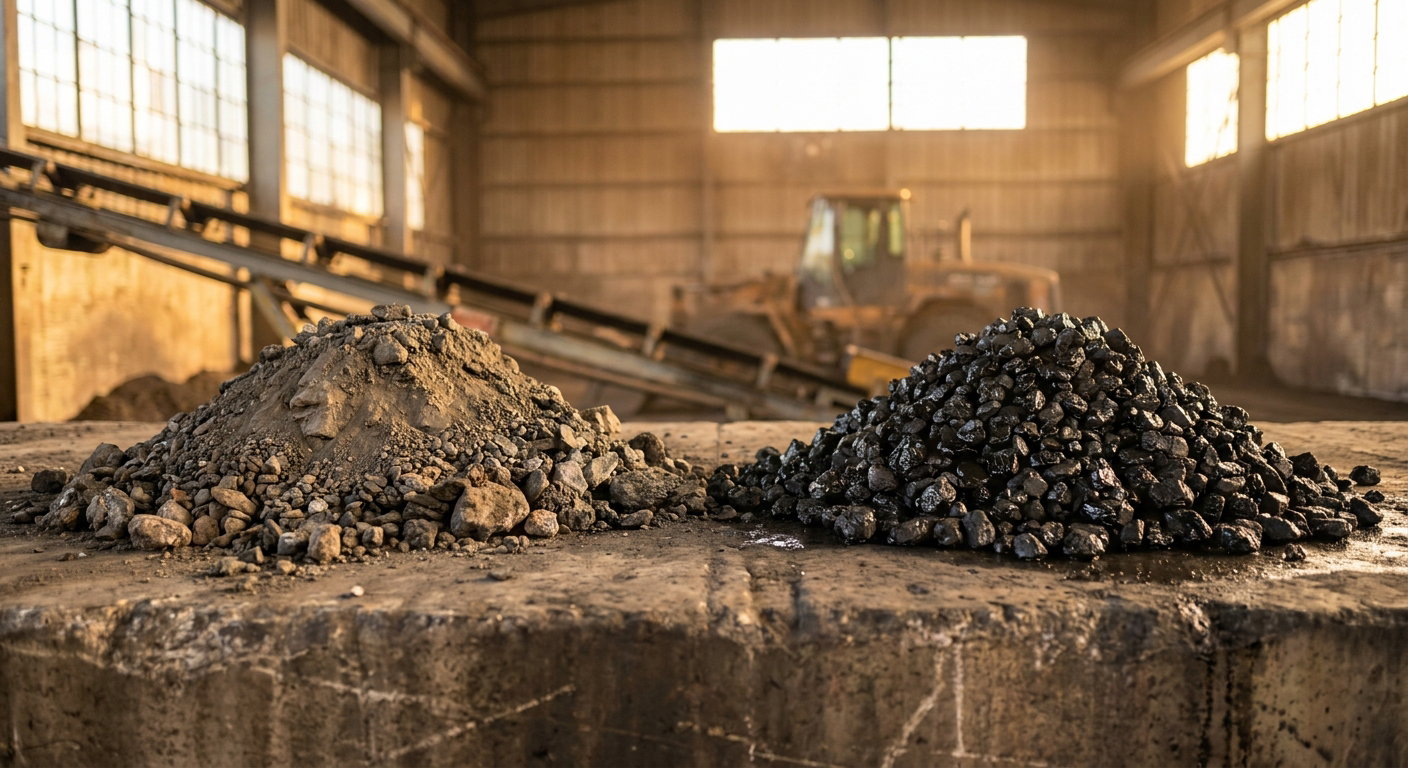
Understanding the difference between washed and unwashed coal is fundamental to optimizing industrial thermal efficiency. Washed coal undergoes a beneficiation process—a mechanical cleaning technique used to remove inorganic impurities like shale and stone—whereas unwashed coal, often referred to as Run-of-Mine (ROM) coal, is the raw material utilized exactly as extracted from the mine. This process of removing non-carbonaceous matter significantly increases the net energy density of the fuel. By reducing pyritic sulphur and inert mineral content, washed coal protects boiler tubes from accelerated erosion and chemical corrosion, a standard measured against protocols such as ISO 1928 for calorific value determination and ASTM D388 for coal classification.
Comparison: Washed vs. Unwashed Coal
For operations managers and combustion engineers, the choice between coal grades impacts both short-term output and long-term asset health. The following table highlights the technical differences between these fuel types, using Megajoules per kilogram (MJ/kg) as the unit of energy density.
The Mechanics Of Coal Beneficiation
We utilize gravity separation techniques to isolate carbon from shale and stone, ensuring a consistent fuel feed. By increasing the energy density per tonne, we provide our clients with more predictable heat release patterns and stable combustion environments. The removal of impurities is not just about fuel quality—it is a critical investment in infrastructure longevity and consistent boiler thermal efficiency.
Thermal Efficiency And Energy Density
Unwashed coal contains significant quantities of inert mineral matter that does not contribute to the heat of combustion. These impurities must be heated to furnace temperatures, which absorbs a large portion of the energy produced by the carbon. Furthermore, the presence of stone and clay creates cold spots in the flame, reducing radiant heat transfer efficiency to the water walls. When we optimize fuel quality, we reduce the energy required to treat waste, allowing for a more focused combustion cycle.
Operational Impact On Infrastructure
Boiler maintenance cycles are primarily dictated by fuel abrasiveness. High-ash coal contains silica and aluminosilicates that physically erode the metal surfaces of the combustion chamber over time. We emphasize the use of beneficiated coal to extend the lifespan of heat exchanger components by limiting mineral exposure. Operational risks associated with unwashed coal include:
- Increased Slagging: Molten ash (often occurring at temperatures below 1100°C for poor-quality coal) adheres to boiler tubes, creating an insulating layer that prevents heat transfer.
- Mechanical Wear: High concentrations of silica in unwashed coal cause rapid, abrasive damage to pulverisers and fuel pipes.
- Particulate Emissions: Higher ash loads require increased energy from electrostatic precipitators or bag filters to maintain environmental compliance.
Ensuring industrial energy reliability requires a consistent, high-calorific fuel supply. We provide technical resources to help your team manage fuel transitions and long-term asset care. If you are ready to evaluate your current fuel specifications, contact our technical team to discuss your operational requirements.
FAQ’s
What is the difference between washed and unwashed coal for steam generation?
The primary difference lies in the mineral content and energy density. Washed coal has been cleaned of non-combustible waste, resulting in higher calorific values (24–28 MJ/kg) and lower ash content (<15%), whereas unwashed coal is raw, variable in quality, and prone to causing excessive slagging and mechanical wear.
Which is better for steam generation?
For most standard industrial boiler systems, washed coal is superior. While the upfront cost per tonne may be higher, the reduction in maintenance, lower transport costs for inert waste, and increased thermal stability provide a better overall return on investment.
How does moisture content differ between grades?
Washed coal may have higher surface moisture initially due to the water-based separation process. However, its superior net energy density significantly outweighs the marginal thermal penalty required for drying during combustion.
Is unwashed coal ever suitable for steam?
Unwashed coal is generally unsuitable for high-efficiency boilers. Certain specialized fluidised bed combustion boilers are engineered to handle high-ash fuels, but they require massive capital investment in filtration and hardened material handling systems to remain operational.