
What Mining Safety Equipment Do I Need?
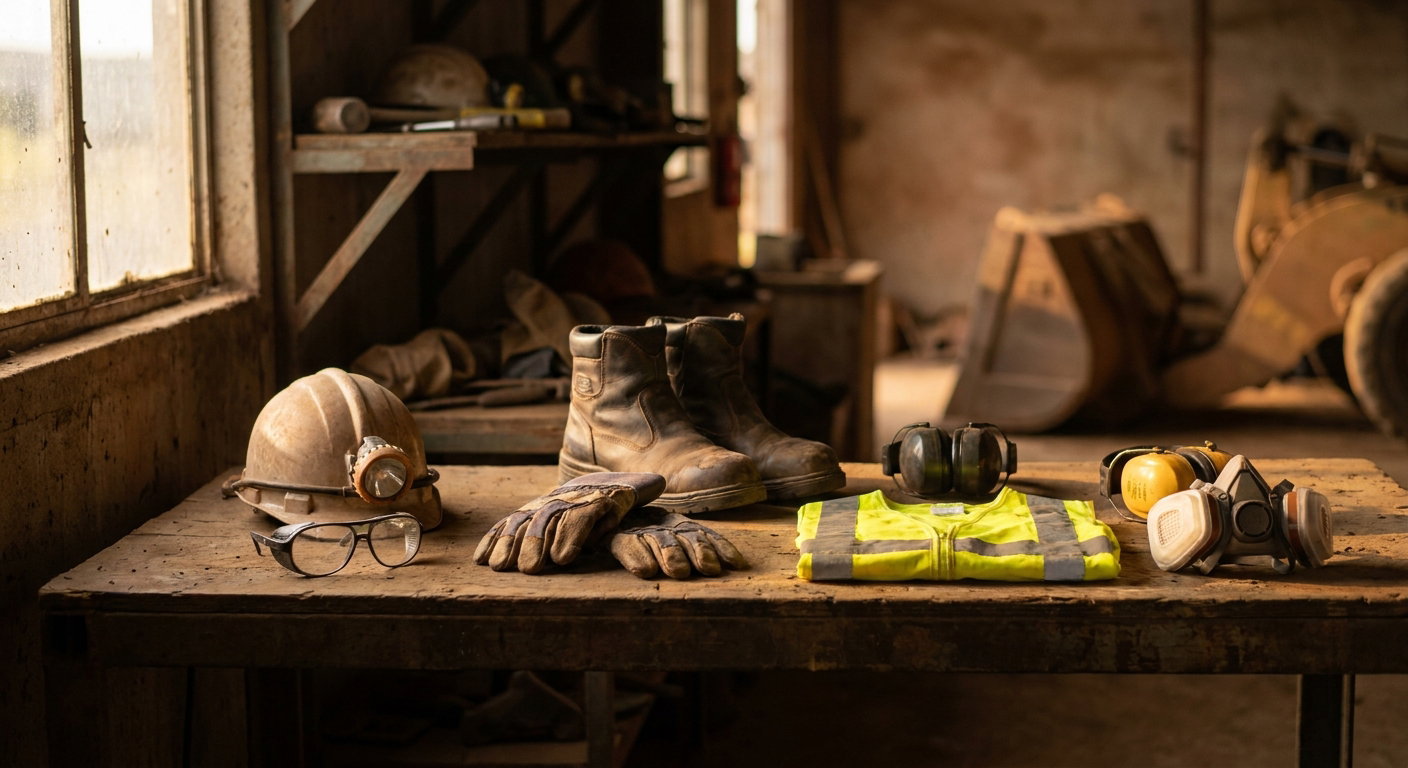
Required mining safety equipment, known as Personal Protective Equipment (PPE), is mandated by South Africa’s Mine Health and Safety Act (MHSA) of 1996. This legislation compels employers to provide, and employees to correctly use, gear that mitigates specific, identified workplace hazards. The essential PPE for any miner includes a hard hat, safety boots, high-visibility clothing, and task-specific gear like respirators, gloves, and eye protection. The specific combination of equipment is determined by a thorough risk assessment of the mining environment and the worker’s particular duties.
Core Equipment Mandated by Hazard Type
The logic behind PPE selection is not arbitrary; it directly corresponds to the physical and chemical dangers inherent in the mining environment. Each piece of equipment is engineered to interrupt a specific harm pathway, from kinetic energy transfer to airborne particulate inhalation. The MHSA requires employers to identify these hazards first, then supply the appropriate, certified protective gear.
This hazard-based approach ensures equipment is functional, not just present. Key hazard categories and their corresponding PPE include:
- Impact and Penetration: Protection against falling objects or collisions.
- Environmental Contaminants: Defence against dust, toxic gases, and chemical splashes.
- Low Visibility: Ensuring workers are seen by vehicle operators and colleagues, especially underground.
- Noise Exposure: Preventing noise-induced hearing loss from heavy machinery.
Effective safety relies on matching the equipment’s technical specifications to the identified risks of the specific mining operation.
Technical Deep-Dive: Above-the-Neck Protection
Head, eye, and respiratory protection are critical due to the high potential for severe or fatal injury. These items must meet stringent standards to be considered compliant and effective in a high-risk setting like a South African mine.
Head and Eye Protection Specifications
Standard issue hard hats are designed to deflect and absorb energy from falling rock or accidental impacts with machinery and structures. Similarly, eye protection prevents injury from flying debris, dust, and chemical splashes that are common during drilling, blasting, and processing. Compliance with SABS (South African Bureau of Standards) or equivalent international standards is a baseline requirement.
Respiratory and Hearing Defence
MechanismsRespiratory protection is vital for mitigating exposure to harmful dusts like silica and coal, which can lead to chronic lung diseases. Hearing protection is equally important, as the persistent noise from mining equipment can cause permanent hearing damage. The choice between disposable masks, cartridge respirators, earplugs, or earmuffs depends entirely on the type and concentration of the hazard.
Essential On-Body and Extremity Protection
A miner’s effectiveness and safety depend on their ability to move and work without injury. Protective clothing, footwear, and gloves are the primary defences against environmental and mechanical hazards affecting the torso and limbs.
These items must provide protection without unduly hindering movement, a key consideration for productivity and safety:
- High-Visibility Clothing: Made with fluorescent materials and retro-reflective tape to ensure miners are visible in dark underground environments.
- Safety Boots: Must feature steel toe caps for impact protection and puncture-resistant soles to prevent injuries from sharp objects on the ground.
- Specialised Gloves: Designed to protect against cuts, abrasions, chemical exposure, and vibrations from power tools.
Precision Solutions with RP Mining Solutions
Ensuring your team is equipped with compliant, high-performance safety gear is a non-negotiable aspect of operational integrity. We provide access to technically proficient PPE that meets and exceeds regulatory standards. To receive an accurate assessment and quote for your operation’s specific needs, please submit your enquiry through our contact form.
FAQs
What is the most important piece of mining PPE?
While all PPE is important, head protection (a hard hat) is often considered the most critical, as it protects against potentially fatal head injuries from falling objects, a common hazard in mining.
Are employers legally required to provide PPE in South Africa?
Yes, the Mine Health and Safety Act 29 of 1996 legally obligates employers to provide all necessary personal protective equipment to employees at no cost.
How often should mining PPE be inspected?
PPE should be inspected by the user before each shift to check for any damage or defects. A more formal, documented inspection should also be conducted regularly according to the manufacturer’s guidelines and a mine’s specific risk assessment policy.
What happens if a miner refuses to wear required PPE?
Refusing to wear mandatory PPE is a serious safety violation. It can lead to disciplinary action by the employer and is a breach of the employee’s duties under the Mine Health and Safety Act, which requires employees to take reasonable care of their own health and safety.